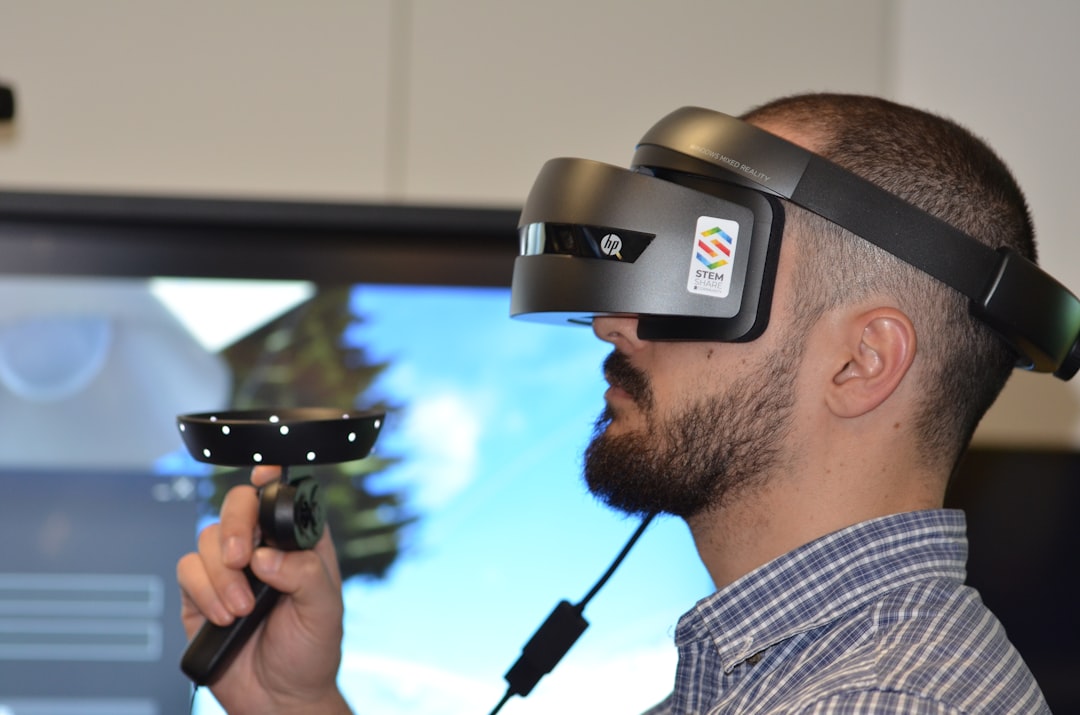
The Future of VR Gaming in 2025
Exploring upcoming trends and breakthrough technologies shaping the next generation of virtual reality gaming experiences...
Read More →Transform reality with cutting-edge immersive gaming experiences
Start Your Project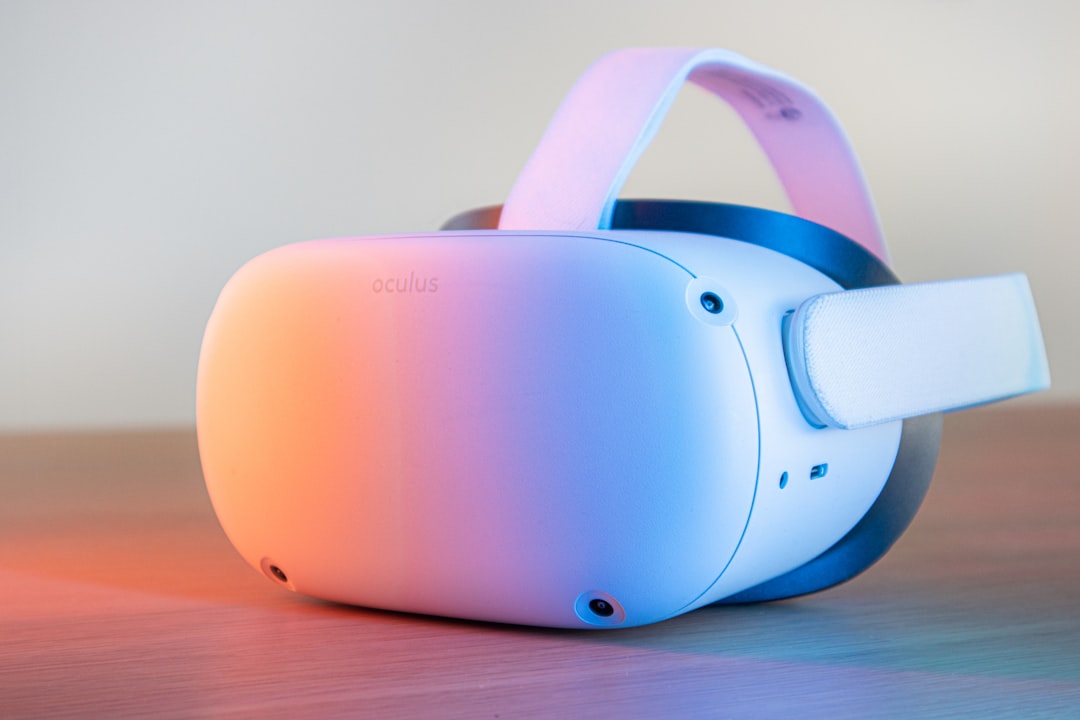
Fully immersive VR gaming experiences for major platforms including Meta Quest, PlayStation VR2, and PC VR systems.
Location-based AR games and applications using ARKit, ARCore, and cutting-edge spatial computing technology.
Next-generation MR experiences for Apple Vision Pro and other spatial computing devices launching in 2025.
Unified XR solutions that work seamlessly across multiple devices and platforms for maximum reach.

Award-winning multiplayer VR adventure that redefined immersive storytelling in 2024.

Location-based AR game with over 5 million downloads and revolutionary geospatial gameplay.
Unity 3D, Unreal Engine 5, Custom XR Frameworks
ARKit, ARCore, Vuforia, Niantic Lightship
Meta Quest 3, PSVR2, Valve Index, Apple Vision Pro
Blender, Maya, Substance Painter, ZBrush
Exploring upcoming trends and breakthrough technologies shaping the next generation of virtual reality gaming experiences...
Read More →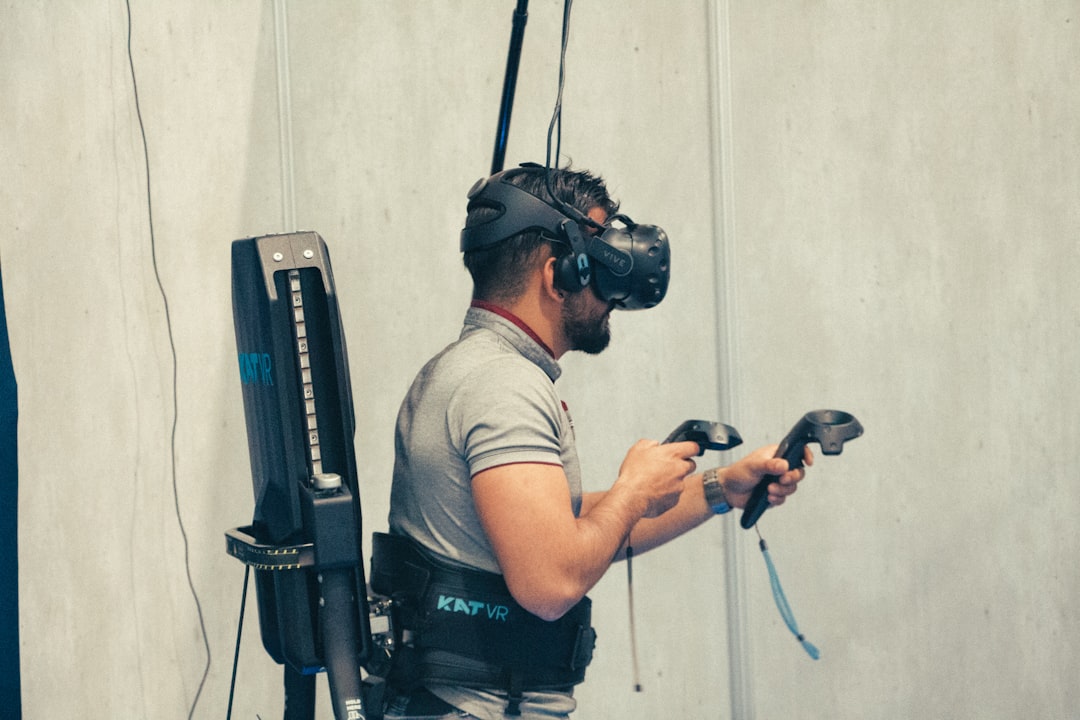
Professional insights on creating performant and engaging augmented reality applications for mobile platforms...
Read More →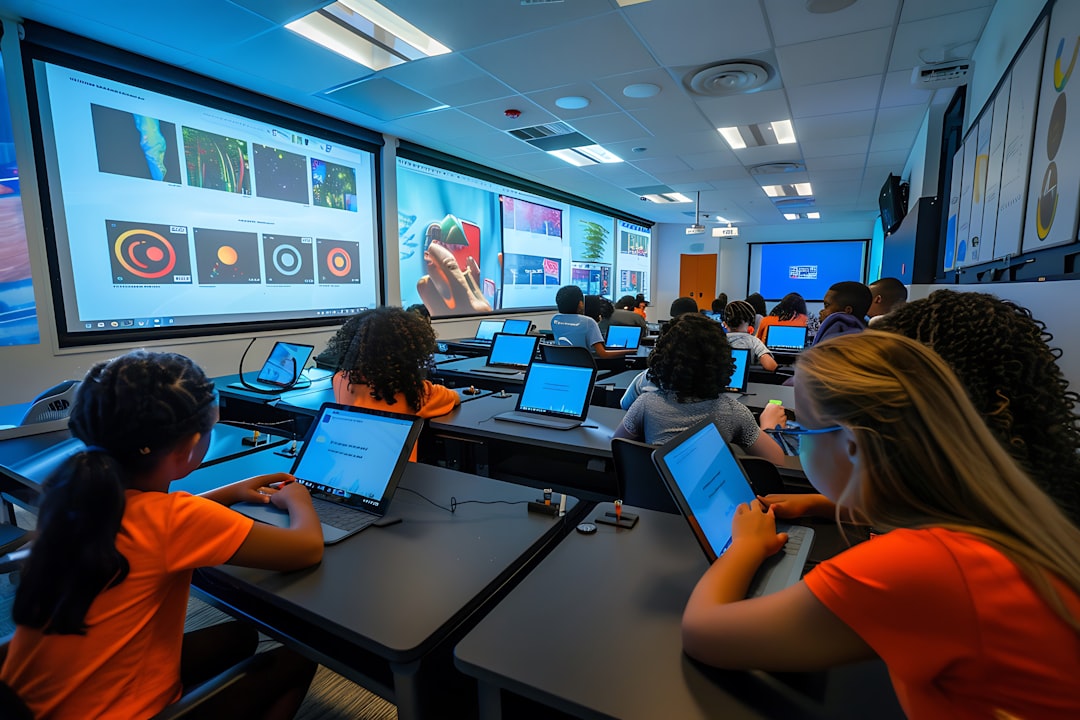
Advanced techniques and optimization strategies for building high-performance cross-platform XR experiences...
Read More →Over 7 years specializing exclusively in AR and VR game development with a portfolio of award-winning titles.
Early adopters of emerging XR technologies, ensuring your project leverages the latest advancements in the field.
From concept to deployment, we handle every aspect of AR VR game development including post-launch support.
Successfully delivered over 50 XR projects with measurable success metrics and positive user reception.